
Eman Bacosa’s Home and the Question of Fairness with Manny Pacquiao: What’s Really Going On?
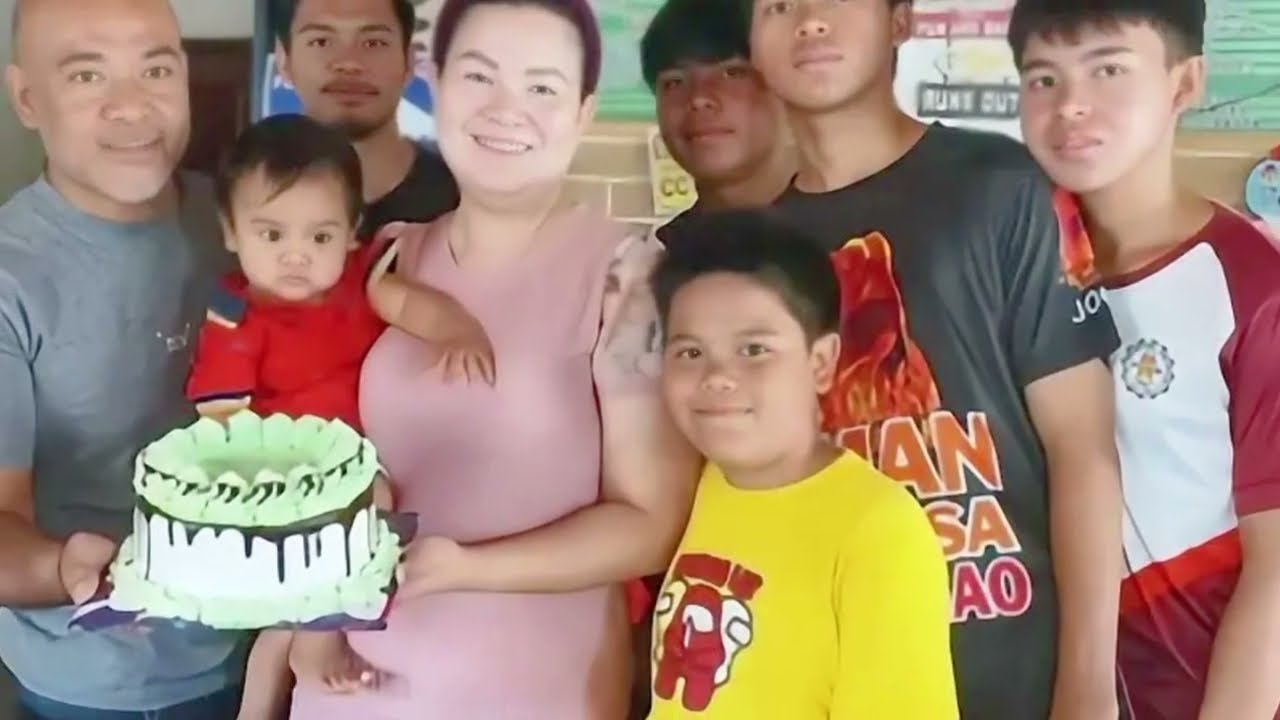
Eman, born January 2, 2004 in Tagum, Davao del Norte, is the son of Manny Pacquiao and Joanna Rose Bacosa. According to interviews, he spent his childhood primarily with his mother, often facing financial struggles and a lack of steady paternal presence. In one emotional segment, he shared:
“I’ve always longed for my father’s love ever since I was a child… I barely know him.”
“Noong una, nasasaktan ako… Naiinggit ako sa ibang bata, lalo na tuwing Father’s Day.”
He also revealed how there were periods when his family lacked enough food and experienced serious hardship.
These early experiences are important to keep in mind, because the core of the “unfair treatment” question hinges partly on comparing expectations (as a son of Manny) vs. lived reality.
What Do We Know About His Living Conditions?
In the set of recent interviews, Eman mentioned that he grew up in Tagum, Davao del Norte, but currently lives in General Santos City.
While explicit, detailed photo documentation of his home’s current condition is limited in credible news reports, many social media posts and commentaries suggest that his home is “humble” or modest — especially when contrasted with the luxurious properties often associated with Manny Pacquiao.
Some key points:
He acknowledges that his upbringing was not “glamorous,” despite having a famous father. “Despite being the son… Eman’s childhood was far from glamorous.”
Although Manny Pacquiao legally recognized him (his surname officially changed to Pacquiao in 2023) and supports his boxing career, details about material support (house, vehicles, investment) are less publicly documented.
Because of this gap — famous father + rising boxing star son + modest home — many have begun asking whether Eman is being disadvantaged or whether something about his treatment is unfair.
The Fairness Question: What Does “Unfair” Mean Here?
When we ask if Manny Pacquiao is treating Eman unfairly, we must be clear about what fairness might imply in this scenario. Key aspects:
Recognition & Relationship
Recognition as a son is a major milestone. Manny officially gave Eman his surname and changed his birth certificate.
That is a form of acknowledgment. But relationships also involve ongoing support, emotional involvement, and access to resources — aspects Eman has said were lacking in his early years.
Material Support & Expectations
It is reasonable for sons of high‑net‑worth individuals (especially public figures) to expect certain material backing (homes, education, career investment). But the question of “unfair” depends on what was promised or implied, what is standard in such relationships, and what the father provided relative to his capacity and choices.
Eman’s Own Agency and Career
Eman is forging his own path in boxing. He has talked about wanting to make a name for himself and not just ride his father’s name. That agency complicates the “unfairness” narrative: if he prefers independence or is committed to proving himself, the modest home may reflect his personal journey rather than neglect.
Privacy & Family Dynamics
Public perceptions are based on visible data. But decisions about housing, private finances, and timing are often internal to the family. Without full transparency, it’s difficult to definitively claim unfairness.
Arguments Supporting the “Unfair” Interpretation
Here are reasons why some believe Manny’s treatment of Eman may indeed reflect unfairness:
Publicly Known Wealth vs. Son’s Modest Lifestyle: Manny Pacquiao has multiple large properties widely publicized in Philippines media. If his son is living modestly, the discrepancy raises questions about distribution of resources.
Delay in Recognition: Eman’s legal surname change and official acknowledgment came many years after his birth. Some view this delay as neglect.
Emotional Admission of Neglect: Eman has openly shared how he longed for his father’s presence, how he felt “barely known” by him, and how he envied other children with active fathers. These statements suggest emotional neglect.
Lack of Visible Infrastructure for Career: While Manny supports Eman’s career, some argue that a son of a boxing legend should have had access to top‑tier facilities, management, or accommodation. The fact that Eman still cites hard work, basic training, and improvement suggests he may not be benefiting as much as expected from his father’s network.
Counterarguments: Why It May Not Be Unfair
On the other side, there are valid reasons why the situation might not reflect unfair treatment:
Recent Recognition: Manny’s formal recognition of Eman (name change, support) may still be new. The home and lifestyle adjustments may be ongoing.
Eman’s Own Choice: Eman himself has talked about focusing on his own journey in boxing and making his own way. He may prefer to avoid heavy reliance on his father’s brand.
Private Family Matters: The internal family dynamics (mother, step‑fathers, legal arrangements, timing) are not fully in public view. What may appear as neglect externally may be part of a complicated decision within the family.
Media Exaggeration: Some of the “modest home” assessments are based on social media posts — which can exaggerate or mischaracterize actual conditions. “Modest” may still be comfortable, but simply not at celebrity luxury level.
What Do the Facts for Eman Indicate?
Born in Tagum, raised by his mother amid hardship.
Officially recognized by Manny Pacquiao in 2022/2023.
Transition to boxing career with early successes (e.g., winning by unanimous decision in October 2025).
Currently resides in General Santos City.
No public, credible article showing him living in extreme poverty; rather the gap is between expectations and reality.
Thus the facts suggest a young man who has been officially acknowledged but whose material status may not yet reflect the wealth one might anticipate given his parentage.
Why This Matters for the Public & Media
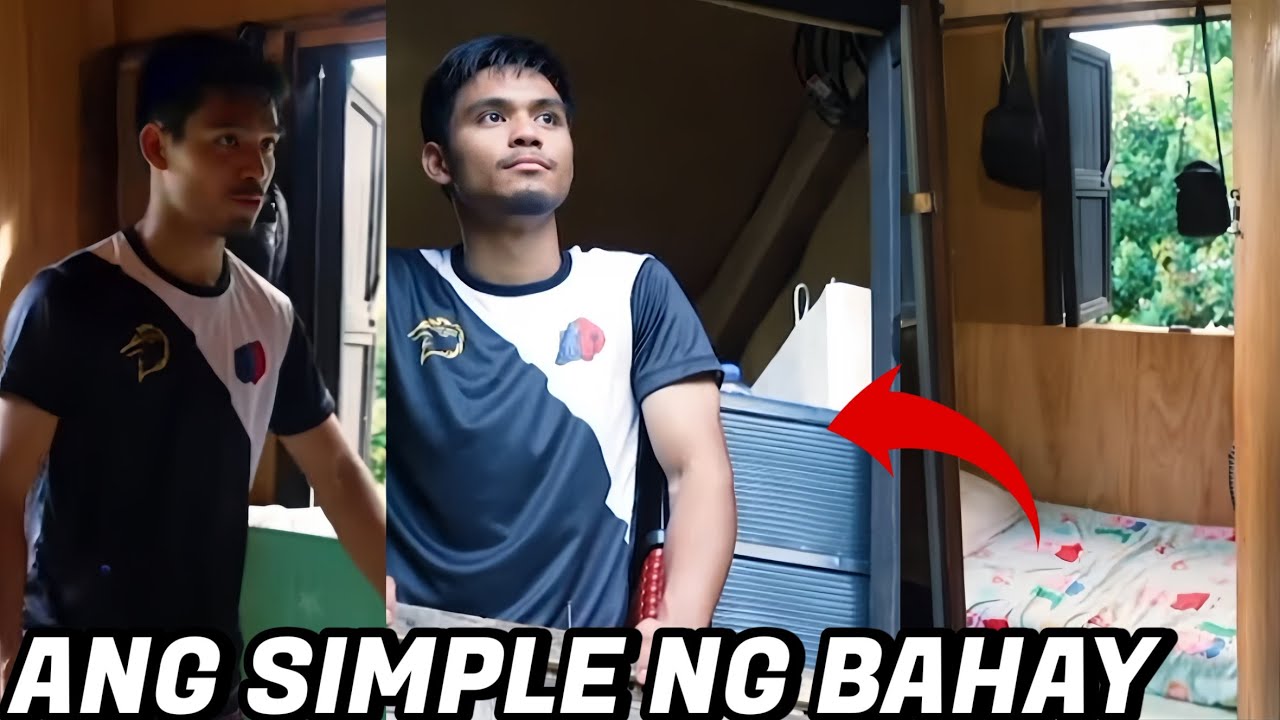
This situation matters for several reasons:
Societal Expectations: When highly‑visible public figures like Manny Pacquiao have children, there is public expectation of material and emotional support. When the support appears lacking, public scrutiny is inevitable.
Role Model Implications: Manny is not only a sports legend but a cultural icon. How he treats his children may reflect on his values and influence public perception of fatherhood, responsibility and fairness.
Celebrity Child Welfare: This case highlights the broader issue of children born to celebrities or public figures — how they are treated, recognized, supported, and whether they receive just consideration.
Media Responsibility: Reporting about “modest homes” or “unfair treatment” can sometimes perpetuate narratives without context, and may unfairly pressure families. Balanced reporting requires sensitivity and depth.
My Conclusion: Is It Fair or Unfair?
After weighing the evidence and context:
I believe the situation for Eman does not clearly equate to blatant unfair treatment, but it certainly raises concerns about inequity and timing.
The formal recognition by Manny is a positive step; however the delay, and the modest living conditions relative to his potential, create a narrative of “behind schedule” rather than “fully supported.”
For Eman, the story may not primarily be about what he lacks, but about what he is striving to achieve — he seems to be focused on making his own mark rather than simply inheriting his father’s status.
For Manny and his camp, the challenge is in closing the gap between symbolic recognition and material/relational support — ensuring the son has the opportunities, resources and emotional connection that many expect.
In short: Not necessarily unfair, but not fully leveled either. The story is still unfolding, and the fairness in treatment will be better judged in the years to come as Eman’s career and life progress.
What To Watch Going Forward
To make a clearer determination of fairness, these are things to observe:
Will Eman’s living and training conditions significantly improve in line with his father’s support?
Will there be transparency (even voluntary) about his career resources, coaching, education, housing?
Does Eman continue to receive emotional support and involvement from Manny (and the wider Pacquiao family) beyond just recognition?
How does the narrative shift in media as Eman takes further steps in his boxing career (or other ventures)?
Final Thoughts
The headline “Itsura ng bahay ni Eman Bacosa ikinalungkot ng marami! Manny unfair ang pagtrato kay Eman?” captures a potent mix of emotion, expectation and celebrity scrutiny. While the modest home contrast triggers concern, the limited public evidence means we should approach judgments with caution.
Eman Bacosa’s story is still being written — from hardship to recognition to the ring. The material conditions of his home may not tell the full story of support, but they highlight that recognition is just the beginning. True fairness is built over time, through sustained support, opportunity and relationship.
Above all, this is a human story — about a young man seeking his place, a father figuring out how to give, and a public watching with high hopes. In the end, perhaps the most important metric will not be the house he lives in, but the relationships he builds, the legacy he creates, and the person he becomes.
If you like, I can pull up photo‑evidence of the home and compile a detailed comparison of how other celebrity children live in the Philippines for context.
News
PinCo ile Pin Up: Çevrimiçi Eğlence Platformları İçin Doğru Seçimi Yapma Kılavuzu
PinCo ile Pin Up: Çevrimiçi Eğlence Platformları İçin Doğru Seçimi Yapma Kılavuzu Sayısallaşmanın hızlandığı güncel süreçte, internet tabanlı casino ve…
Bettilt finansal işlem yöntemleri: kolaylık, akışkanlık ve kısıtlamalar
Bettilt finansal işlem yöntemleri: kolaylık, akışkanlık ve kısıtlamalar bettilt apk sisteminde desteklenen finansal araçlar, oyuncu deneyiminin en belirleyici unsurlarından biri…
Rokubet’e Paranızı Emanet Edebilir Misiniz: Kapsamlı Bir Güvenilirlik Analizi
Rokubet’e Paranızı Emanet Edebilir Misiniz: Kapsamlı Bir Güvenilirlik Analizi Şimdiki online yapısında web odaklı şans bahsi ve eğlence platformu sistemleri,…
En Kaliteli Talih Oyunları Platformları 2025: İtimat Edilebilir ve İnovatif Meydanları Tercih Etme Kılavuzu
En Kaliteli Talih Oyunları Platformları 2025: İtimat Edilebilir ve İnovatif Meydanları Tercih Etme Kılavuzu 2025 Senesinde En Üstün Bahis Sitelerini…
Paribahis Yeni Erişim Kılavuzu: Aralıksız Bahis Keyfinin Anahtarı Elinizde!
Paribahis Yeni Erişim Kılavuzu: Aralıksız Bahis Keyfinin Anahtarı Elinizde! Paribahis Bağlantı URL’si Neden Daima Farklılaşıyor? Bu Değişimi İdrak Etmek İnternet…
article_2545
Casinomhub Dünyasına Hoş Geldiniz: 2026’nın En Heyecan Verici Slotları ve Kolay Kayıt Rehberi! Casinomhub’a Çabuk Kayıt Prosedürleri: Yeni Katılanlar İçin…
End of content
No more pages to load